Bitcoin is digital money that no company or government controls. It launched in 2009, and its rules are enforced by thousands of computers around the world rather than by a bank.
How it works
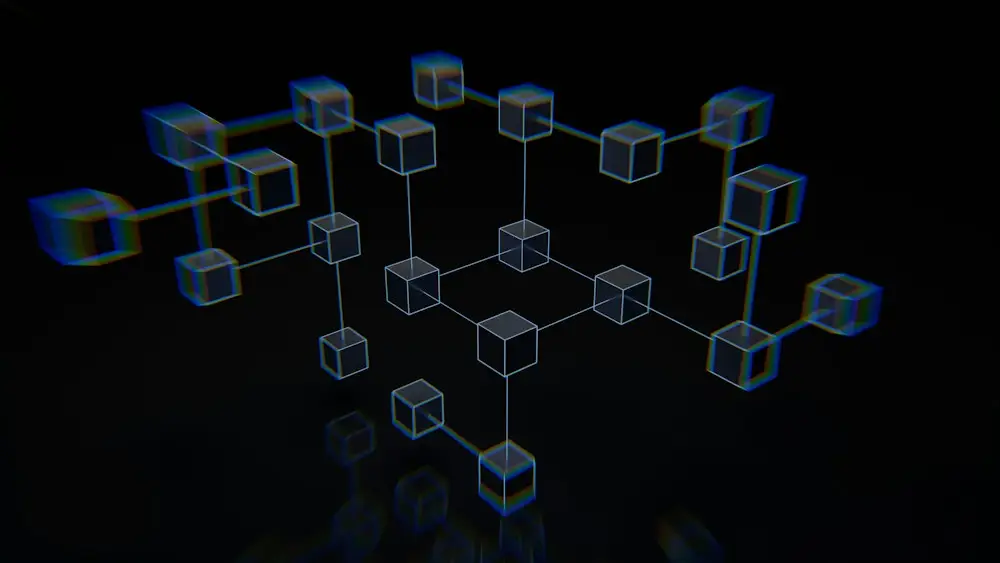
Every transaction is recorded on a public ledger called the blockchain. Computers known as miners group transactions into blocks and compete to add them. Once a transaction is buried under enough blocks, reversing it becomes impractical.
Why people use it
- Limited supply. There will never be more than 21 million bitcoin.
- No gatekeeper. Anyone with an internet connection can send or receive it.
- Self-custody. You can hold it yourself, without an institution.
What to be careful of
The price can swing sharply, and transactions can't be undone. If you send coins to the wrong address or lose your keys, there's usually no way of getting them back. Only invest what you can afford to lose.